


Panduan Pembeli untuk Mesin Gergaji Pekeliling Automatik: Perkara yang Perlu Tahu Sebelum Anda Melabur
 2026.06.09
 Berita Industri
Ciri-ciri Mesin Gergaji Pekeliling Automatik Sebenarnya Berbeza
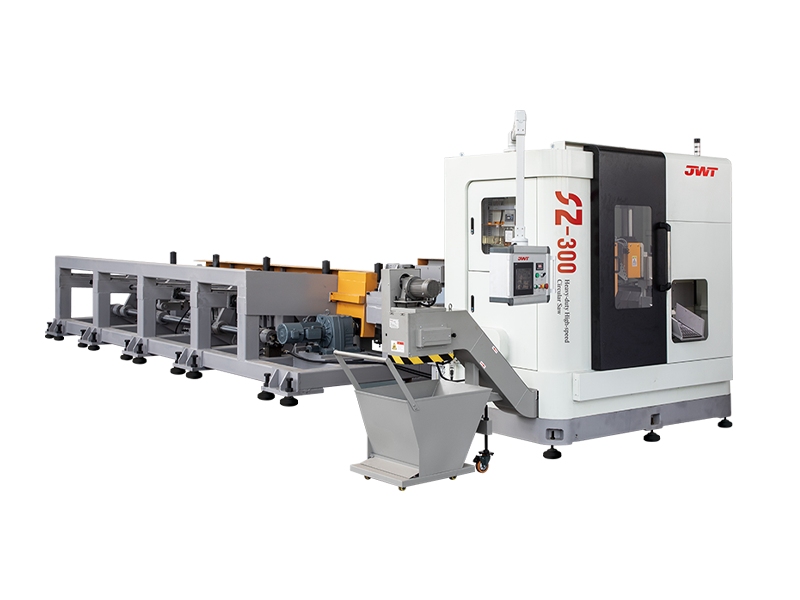
Mesin gergaji bulat automatik bukan sekadar gergaji bulat dengan motor. Ciri yang menentukan ialah automasi — mesin mengendalikan penyuapan bahan, kedudukan potong, pengapit dan penjujukan kitaran tanpa memerlukan pengendali untuk membimbing setiap potongan secara manual. Bergantung pada konfigurasi, ia juga boleh mengendalikan suapan bahan daripada bar atau gegelung, ukuran panjang, pengiraan kepingan, dan susun suapan keluar, semuanya disepadukan ke dalam satu kitaran pengeluaran.
Perbezaan ini penting kerana ia secara langsung mengubah julat ekonomi dan aplikasi berbanding alternatif manual atau separa automatik. Pengendali mahir pada gergaji manual mungkin menyelesaikan 100–150 pemotongan sejam pada hari yang baik, dengan konsistensi yang merosot sepanjang syif yang panjang. Mesin pemotong gergaji bulat automatik yang berjalan dalam persekitaran pengeluaran boleh mengekalkan 400-800 pemotongan sejam dengan toleransi dimensi dipegang secara konsisten sepanjang keseluruhan larian. Untuk operasi di mana volum potong, ketepatan panjang atau kos buruh adalah kekangan, jurang itu adalah keseluruhan kes perniagaan untuk pelaburan.
Automasi juga mengubah peranan pengendali. Daripada melakukan pemotongan, pengendali memprogramkan kerja, memuatkan bahan, memantau kitaran dan mengendalikan pengecualian. Pengendali tunggal selalunya boleh mengawasi berbilang mesin secara serentak, yang merupakan kecekapan buruh yang bermakna yang tidak dapat dipadankan dengan pemotongan manual.
Jenis Utama Mesin Gergaji Pekeliling Automatik dan Di Mana Setiapnya Sesuai
Kategori ini merangkumi pelbagai seni bina mesin yang direka untuk bahan yang berbeza, volum potongan dan persekitaran pengeluaran. Memahami jenis yang sejajar dengan aplikasi anda ialah penapis pertama sebelum menilai model tertentu.
Gergaji Sejuk (Mesin Gergaji Pekeliling Logam Automatik)
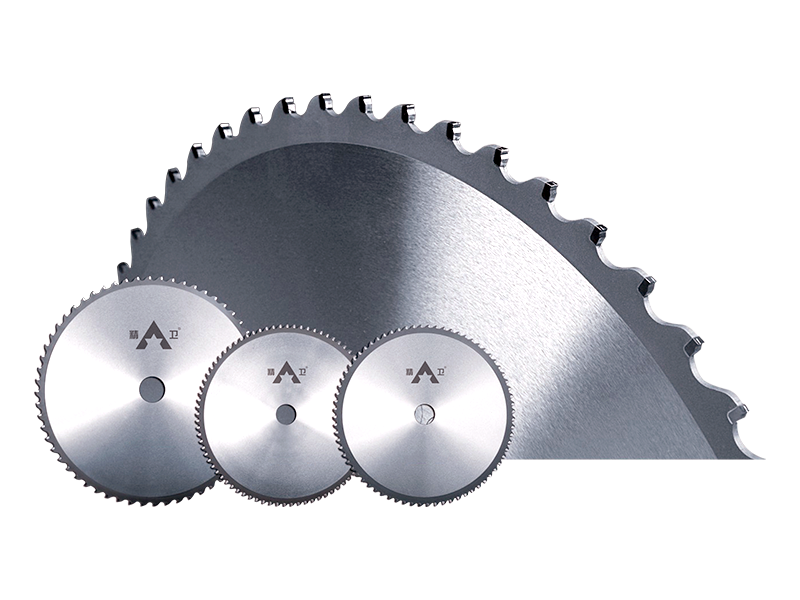
Gergaji sejuk menggunakan bilah bulat bergigi yang berjalan pada RPM rendah dengan cecair pemotong untuk menghasilkan cip dan bukannya haba. Kerana bilah kekal sejuk, tiada zon terjejas haba pada permukaan potong, tiada burr dalam kebanyakan kes, dan tiada pengerasan tepi potong. Mesin gergaji sejuk automatik adalah pilihan utama untuk pemotongan ketepatan stok bar pepejal, keluli struktur, penyemperitan aluminium, tembaga dan loyang. Kualiti potongan cukup tinggi sehingga banyak aplikasi tidak memerlukan kemasan sekunder. Ia lebih perlahan daripada gergaji yang melelas atau geseran dari segi pemprosesan mentah, tetapi kualiti potongan dan jangka hayat bilah menjadikannya lebih kos efektif dalam kebanyakan konteks fabrikasi logam.
Mesin Pemotong Gergaji Pekeliling Automatik Berujung Karbida
Gergaji pekeliling berhujung karbida berjalan pada kelajuan yang lebih tinggi daripada gergaji sejuk dan digunakan secara meluas untuk memotong logam bukan ferus, plastik, komposit dan bahan berasaskan kayu. Mereka menghasilkan muka potong yang bersih dan licin pada kadar suapan yang lebih tinggi daripada yang dibenarkan oleh gergaji sejuk. Versi automatik dengan suapan boleh atur cara dan hentian panjang adalah biasa dalam fabrikasi aluminium, pembuatan tingkap dan pintu, dan pengeluaran komponen perabot. Hayat bilah sangat dipengaruhi oleh kekerasan bahan dan pelepasan cip — padanan geometri bilah dan kiraan gigi dengan bahan adalah penting untuk kedua-dua kualiti pemotongan dan kos operasi.
Mesin Gergaji Pekeliling CNC
Mesin gergaji bulat CNC menambah kawalan boleh atur cara ke atas semua parameter pemotongan — kadar suapan, kelajuan bilah, sudut potong, hentian panjang dan penjujukan kitaran — melalui pengawal CNC khusus. Mesin ini dibina untuk persekitaran pengeluaran campuran tinggi di mana kerja sering berubah dan di mana fleksibiliti sudut pemotongan (potongan miter, sudut kompaun) diperlukan. Kawalan CNC membolehkan ciri pengoptimuman seperti pengisihan senarai potong automatik untuk meminimumkan sisa bahan, penjejakan sisa dan penyepaduan dengan ERP atau sistem pengurusan pengeluaran. Mereka membawa kos kemasukan yang lebih tinggi daripada gergaji automatik kitar tetap tetapi memberikan fleksibiliti yang lebih ketara.
Gergaji Automatik Bundle dan Multi-Strand
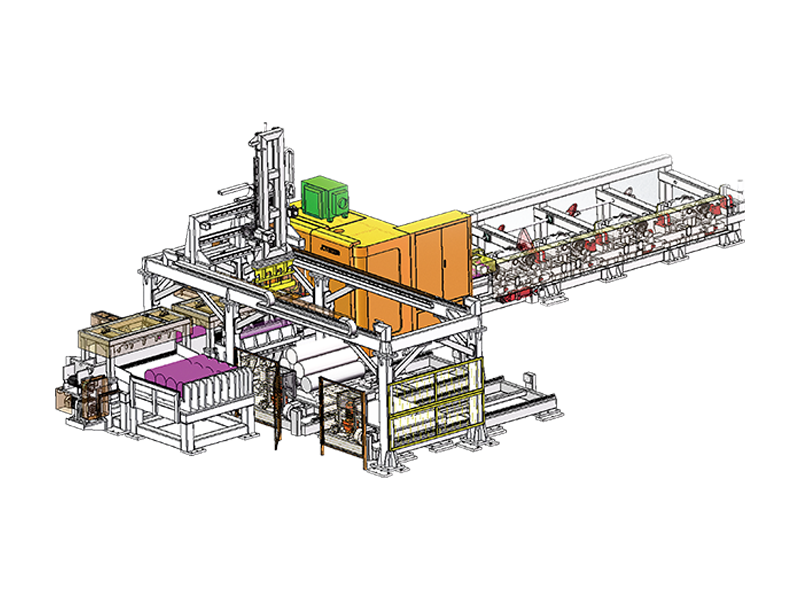
Untuk operasi yang perlu memotong berbilang kepingan stok bar, tiub atau profil secara serentak, gergaji ikat diapit dan potong berbilang helai dalam satu kitaran. Ini melipatgandakan daya pemprosesan tanpa mendarabkan masa kitaran, menjadikannya sesuai untuk pusat servis keluli volum tinggi dan aplikasi pengedaran. Pertimbangannya ialah pilihan sudut potong adalah terhad dan bahan mestilah seragam di seluruh berkas — ini adalah mesin yang dioptimumkan pemprosesan, bukan yang dioptimumkan kefleksibelan.
Spesifikasi Utama untuk Dibandingkan Apabila Memilih Mesin
Lembaran spesifikasi untuk mesin gergaji bulat industri mengandungi banyak nombor. Ini adalah parameter yang sebenarnya menentukan sama ada mesin sesuai dengan keperluan pengeluaran anda.
| Spesifikasi | Maksudnya | Mengapa Ia Penting |
| Diameter pemotongan maksimum | Bahagian bulat atau persegi terbesar yang boleh dipotong oleh mesin | Mesti menutup bahan kerja jangkaan terbesar anda dengan margin |
| Diameter bilah | Saiz fizikal mata gergaji | Menentukan kapasiti pemotongan; bilah yang lebih besar kos lebih mahal setiap penggantian |
| Kelajuan bilah (RPM / m/min) | Kelajuan pemotongan putaran atau persisian | Mesti sepadan dengan keperluan bahan; terlalu cepat pada keluli menghasilkan haba |
| Daya suapan / kadar suapan | Betapa agresifnya bilah mendahului bahan | Memandu masa kitaran; mesti boleh dikawal untuk bahan yang berbeza |
| Ketepatan ukuran panjang | Toleransi pada kedudukan potong-ke-panjang | Menentukan sama ada operasi saiz sekunder diperlukan |
| Julat miter | Julat pemotongan sudut (cth., 0° hingga 60°) | Diperlukan jika kerja anda termasuk potongan bersudut |
| Sistem pengapit | Cara bahan dipegang semasa pemotongan (hidraulik, pneumatik, mekanikal) | Menjejaskan ketepatan pemotongan, penandaan bahan dan masa kitaran |
| Sistem kawalan | PLC, CNC atau pengawal proprietari | Menentukan fleksibiliti pengaturcaraan, keupayaan penyepaduan dan ketersediaan sokongan |
Di luar parameter teras ini, minta data masa kitaran dunia sebenar pada profil bahan yang serupa dengan aplikasi anda. Pengilang memetik kelajuan maksimum dalam keadaan ideal; daya pengeluaran sebenar pada bahan khusus anda pada toleransi panjang yang anda perlukan mungkin berbeza. Meminta pemotongan ujian pada bahan anda — sama ada secara bersemuka di kemudahan pengilang atau melalui demonstrasi pemotongan sampel — ialah cara yang paling boleh dipercayai untuk mengesahkan tuntutan prestasi sebelum membuat pembelian.
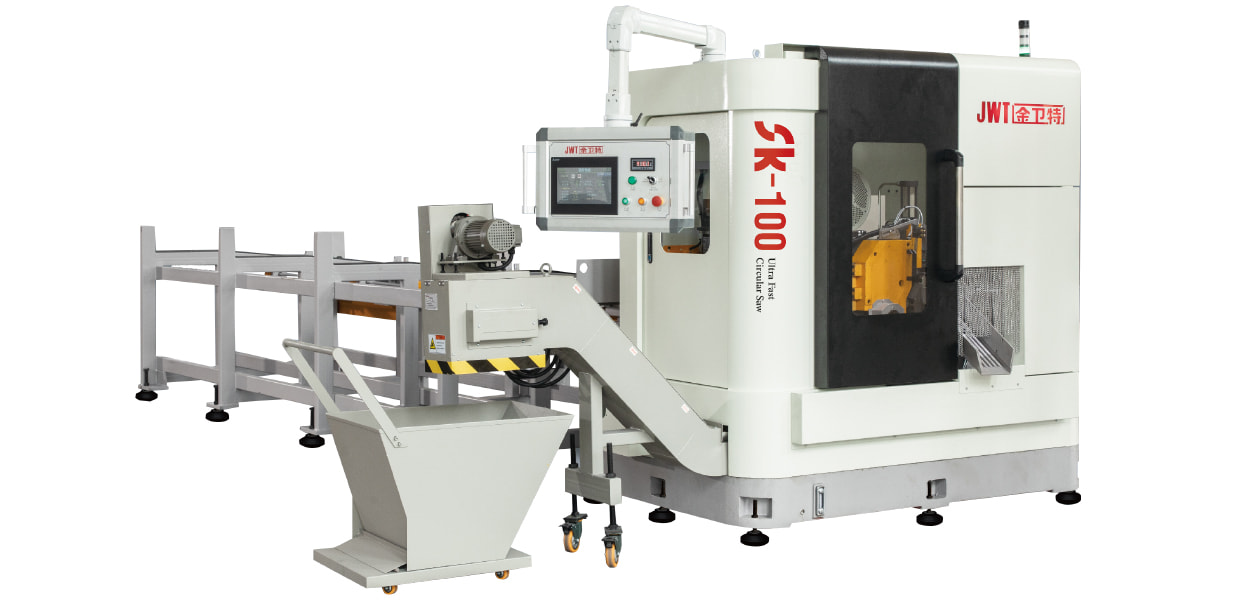
Keserasian Bahan: Memadankan Mesin dengan Apa yang Anda Potong
Mesin gergaji bulat automatik bukanlah alat pemotong universal. Setiap jenis mesin dan konfigurasi bilah dioptimumkan untuk julat bahan tertentu, dan menjalankan bahan yang salah melalui mesin yang salah merendahkan kualiti pemotongan, memendekkan hayat bilah, dan boleh merosakkan mesin itu sendiri. Begini cara bahan biasa memetakan kepada jenis mesin:
- Keluli lembut dan keluli struktur: Mesin gergaji sejuk automatik adalah pilihan standard. Kelajuan bilah rendah, bendalir pemotong, dan bilah karbida atau HSS menghasilkan potongan bersih tanpa herotan haba. Gergaji roda yang kasar boleh memotong keluli dengan lebih cepat tetapi meninggalkan muka potong yang kasar dan keras yang memerlukan pemprosesan sekunder.
- Keluli tahan karat: Memerlukan kadar suapan yang lebih perlahan dan lebih banyak cecair pemotongan daripada keluli lembut untuk menguruskan pengerasan kerja. Bilah berkadar tahan karat khusus dengan geometri gigi yang sesuai adalah penting — menggunakan bilah keluli lembut standard pada tahan karat mempercepatkan pengerasan kerja pada tepi potong dan memendekkan hayat bilah secara mendadak.
- Logam aluminium dan bukan ferus: Mesin pemotong gergaji bulat automatik hujung karbida yang berjalan pada kelajuan yang lebih tinggi adalah sesuai. Aluminium memerlukan bilah dengan kiraan gigi yang tinggi, sudut rake positif, dan kelegaan cip yang direka bentuk untuk cip aluminium yang panjang dan bertali. Cecair pemotongan atau letupan udara diperlukan untuk membersihkan cip dan mengelakkan pemotongan semula.
- Plastik dan komposit: Pemilihan bilah adalah kritikal — bilah yang salah menyebabkan pencairan, serpihan atau penembusan. Kebanyakan plastik kejuruteraan dipotong bersih dengan bilah karbida bergigi halus pada kelajuan sederhana. Komposit bertetulang gentian memerlukan bilah berlian atau PCD (berlian polihabluran) khusus dan menjana habuk kasar yang memerlukan pengekstrakan habuk yang betul.
- Panel kayu dan berasaskan kayu: Gergaji berhujung karbida berkelajuan tinggi adalah standard. Untuk kayu pepejal, geometri gigi hendaklah dipadankan dengan arah butiran. Untuk MDF, papan partikel dan lamina, bilah gigi halus meminimumkan serpihan pada venir muka atau permukaan lamina.
- Bahagian tiub dan berongga: Variasi ketebalan dinding dan pemotongan yang terganggu apabila bilah keluar dari setiap dinding memerlukan konfigurasi bilah yang berbeza daripada bar pepejal. Sesetengah gergaji automatik termasuk suapan khusus tiub dan tetapan pengapit untuk mengurus dinamik pemotongan yang berbeza dan mengelakkan pesongan bilah atau bahan runtuh semasa pengapit.
Ciri Automasi Yang Memberi Impak Secara Langsung Produktiviti
Tahap automasi yang dibina ke dalam mesin gergaji bulat industri berbeza dengan ketara antara peringkat permulaan dan sistem pengeluaran bersepadu sepenuhnya. Ini ialah ciri yang diterjemahkan terus kepada produktiviti yang boleh diukur dan peningkatan kualiti:
Hentian Panjang Automatik dan Suapan Bahan
Hentian panjang boleh atur cara meletakkan bahan kepada panjang potongan yang diperlukan secara automatik, menghapuskan pengukuran manual dan variasi dimensi yang disertakan bersamanya. Ditambah dengan penyuap bar automatik atau pemuat berkas, mesin boleh menjalankan urutan pemotongan lengkap pada bar penuh tanpa campur tangan pengendali melebihi persediaan awal. Pada mesin dengan kedudukan panjang dipacu servo, ketepatan ±0.1mm ke atas panjang bar penuh boleh dicapai — lebih ketat daripada kebanyakan persediaan manual yang boleh dihantar secara konsisten.
Pengurusan Sisa dan Pengoptimuman Bahan
Mesin gergaji bulat CNC lanjutan termasuk perisian pengoptimuman potong yang menyusun senarai potong untuk memaksimumkan hasil daripada setiap bar, meminimumkan bahan yang tinggal. Ciri ini amat berharga apabila memotong bahan mahal seperti keluli tahan karat atau aluminium, di mana kos bahan adalah sebahagian besar daripada kos bahagian. Sesetengah sistem menyepadukan penjejakan sisa — mengelog baki panjang bar dalam inventori supaya ia boleh diperuntukkan kepada pekerjaan masa hadapan dan bukannya dibatalkan.
Kawalan Suapan Adaptif
Mesin pemotong gergaji pekeliling automatik yang lebih tinggi termasuk penderia yang memantau beban pemotongan atau arus motor bilah dalam masa nyata dan melaraskan kadar suapan secara automatik untuk mengekalkan keadaan pemotongan yang optimum. Ini mengimbangi variasi kekerasan bahan, kehausan bilah, dan perubahan geometri bahagian (seperti masuk dan keluar bahagian berongga) tanpa input operator. Kawalan suapan suai suai memanjangkan hayat bilah, mengekalkan kualiti potongan, dan mengurangkan risiko kerosakan bilah daripada suapan agresif kepada bahan keras yang tidak dijangka.
Pampasan Pakai Bilah Automatik
Apabila bilah haus, diameter berkesannya berkurangan, yang menjejaskan kedudukan potong jika tidak diberi pampasan. Mesin dengan bilah automatik memakai ukuran pampasan atau mengira diameter bilah berkesan dan laraskan kitaran pemotongan dengan sewajarnya untuk mengekalkan ketepatan panjang. Tanpa ciri ini, pengendali mesti menentukur semula mesin secara berkala secara manual apabila bilah haus — proses memakan masa yang memperkenalkan tetingkap bahagian yang tidak tepat jika penentukuran semula ditangguhkan.
Keperluan Keselamatan untuk Mesin Gergaji Pekeliling Industri
Mesin gergaji bulat automatik ialah peralatan pemotong bertenaga tinggi yang beroperasi pada kelajuan dan daya yang memerlukan sistem keselamatan yang direka bentuk dengan betul. Keperluan pematuhan berbeza mengikut pasaran, tetapi yang berikut mewakili amalan standard semasa untuk pemasangan industri:
- Pengawal bilah: Penutupan penuh bilah semasa kitaran pemotongan adalah standard pada mesin automatik moden. Pengawal mesti menghalang akses kepada bilah semasa mana-mana bahagian kitaran pemotongan dan hendaklah hanya membenarkan akses apabila bilah telah berhenti sepenuhnya dan semua tenaga yang disimpan telah hilang.
- Jalinan keselamatan: Semua pintu akses dan pengadang hendaklah disambungkan pada sistem kawalan mesin supaya membuka sebarang pengadang semasa mesin dalam kitaran menghentikan gerakan pemotongan serta-merta. Peranti kunci berkadar keselamatan (memenuhi IEC 60947-5-3 atau setara) diperlukan di kebanyakan pasaran.
- Perhentian kecemasan: Butang e-stop pada setiap kedudukan operator dan pada badan mesin adalah wajib. Pada mesin dengan penghantar suapan atau suapan yang lama, hentian E tambahan pada selang waktu sepanjang talian memastikan pengendali boleh mencapai satu dengan cepat tanpa mengira kedudukan mereka.
- Pembendungan cip dan penyejuk: Pemotongan logam menghasilkan cip dan semburan penyejuk yang mesti terkandung dalam kepungan mesin untuk melindungi pengendali dan persekitaran sekitar. Sistem penghantar cip yang secara automatik mengeluarkan swarf dari zon pemotongan adalah standard pada mesin gred pengeluaran dan mengurangkan masa pembersihan manual dengan ketara.
- Bunyi dan getaran: Mesin gergaji bulat industri pada kelajuan pengeluaran boleh menghasilkan tahap bunyi yang ketara. Penutup akustik atau panel peredam bunyi tersedia sebagai pilihan pada kebanyakan platform. Penilaian hingar di tempat kerja diperlukan dalam kebanyakan bidang kuasa jika pengendali terdedah kepada tahap berterusan melebihi 80–85 dB(A).
- Pensijilan CE / UL: Untuk mesin yang dijual ke pasaran EU atau Amerika Utara masing-masing, penandaan CE (Arahan Jentera 2006/42/EC) dan pensijilan UL atau CSA mengesahkan mesin telah dinilai mengikut piawaian keselamatan yang berkenaan. Sentiasa sahkan pensijilan ini adalah terkini dan meliputi konfigurasi mesin tertentu yang dibeli, bukan hanya platform asas.
Jumlah Kos Pemilikan Melebihi Harga Belian
Kos pemerolehan mesin gergaji bulat automatik adalah nombor yang paling ketara tetapi jarang yang paling penting sepanjang hayat operasi 10-15 tahun. Ini ialah kategori kos yang patut diberi perhatian semasa proses penilaian:
Kos dan Kehidupan Bilah
Bilah gergaji untuk mesin gergaji bulat industri mewakili kos operasi berulang yang berbeza-beza bergantung pada bahan, spesifikasi bilah dan keadaan pemotongan. Bilah berujung karbida untuk pemotongan aluminium mungkin berharga $150–$400 dan tahan beberapa ratus ribu potongan dalam keadaan baik. Bilah gergaji sejuk untuk keluli mungkin berharga $300–$800 dan tahan 50,000–150,000 pemotongan bergantung pada gred bahan dan parameter pemotongan. Kira kos bilah yang dijangkakan setiap potong untuk aplikasi khusus anda — selalunya ia merupakan item baris yang lebih penting daripada penyelenggaraan mesin sepanjang hayat peralatan.
Sistem Bendalir Memotong
Gergaji sejuk dan kebanyakan gergaji automatik pemotong logam memerlukan cecair pemotong untuk penyejukan, pelinciran dan pembilasan cip. Ini melibatkan kos berterusan untuk pekat cecair, rawatan air, analisis dan penyelenggaraan cecair, dan akhirnya pelupusan cecair terpakai. Sistem pengekstrakan kabus menambah modal dan kos operasi. Untuk operasi volum tinggi, pengurusan bendalir adalah pertimbangan operasi yang tidak remeh — sesetengah kemudahan bertukar kepada sistem pelinciran hampir kering atau kuantiti minimum (MQL) untuk mengurangkan kerumitan pengendalian bendalir.
Penyelenggaraan Terancang dan Ketersediaan Alat Ganti
Mesin pemotong gergaji bulat automatik yang sedang beroperasi adalah aset penting yang masa hentinya mempunyai kos sebenar. Nilai rangkaian perkhidmatan tempatan pengilang, ketersediaan alat ganti dan masa petunjuk, dan ketersediaan sokongan diagnostik jauh sebelum pembelian. Untuk operasi di pasaran yang jauh dari pangkalan perkhidmatan utama pengilang, penilaian ini boleh mengalihkan pilihan pembekal pilihan daripada pilihan harga terendah. Kit penyelenggaraan pencegahan, kontrak perkhidmatan dan program latihan pengendali adalah bernilai semasa rundingan pembelian dan bukannya selepas pemasangan.
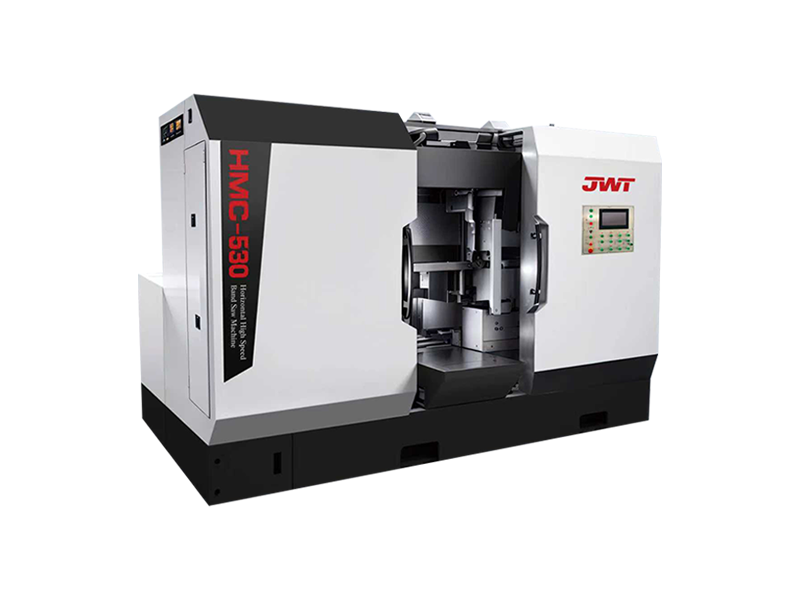
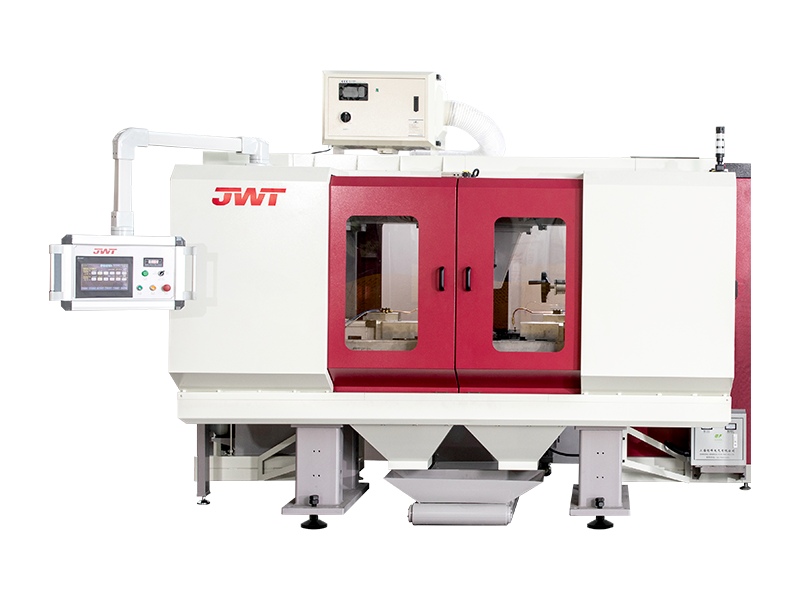
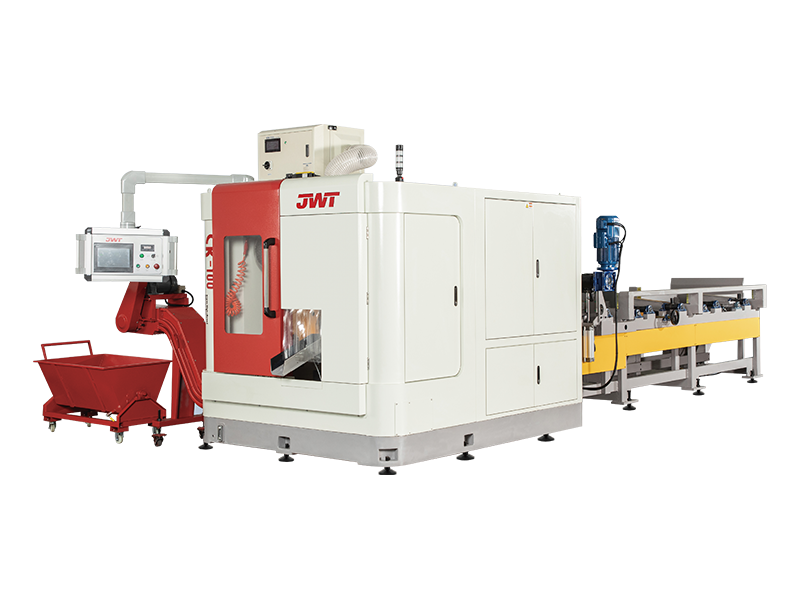
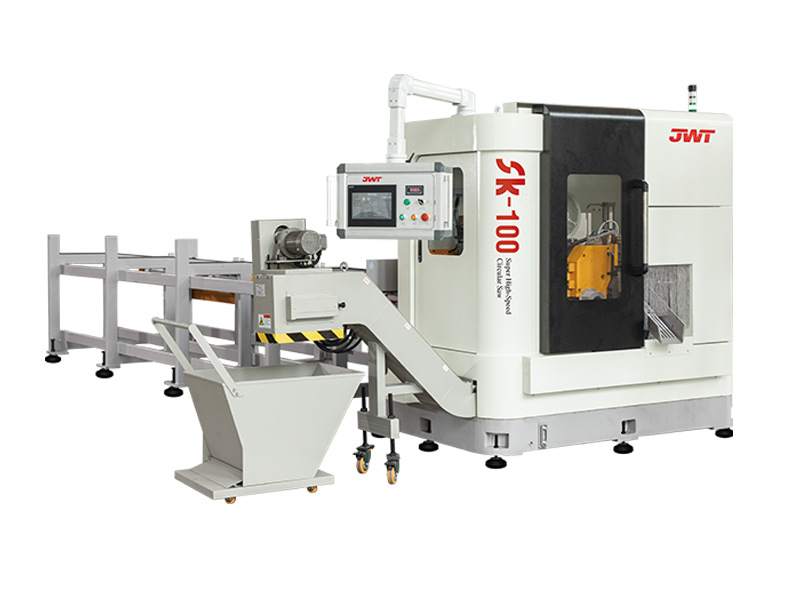
Jika anda berminat dengan Mesin Gergaji Pekeliling atau barisan pengeluaran kami, sila rujuk kami
BUTIRAN HUBUNGI
Zhejiang Jingweite Machine Tool Co.,Ltd.
- No.661 Jiyi Road, Wanghai Hi-tech Industrial Park, Haiyan, Jiaxing City, Zhejiang Province
- TEL:+86-0573-86035661
- E-Mail: [email protected]
Produk
- GK SERIES-Alat Mesin Gergaji Paip Berkelajuan Tinggi
- SK SERIES-Alat Mesin Gergaji Pekeliling Berkelajuan Tinggi Super
- SZ SERIES-Alat Mesin Gergaji Pekeliling Berkelajuan Tinggi Tugas Berat
- Barisan Pengeluaran Pengosongan Penyimpanan Pintar
- Demonstrasi Barisan Pengeluaran Automatik
- Alat Mesin Siri JWT Bilah Gergaji Khas
Pautan pantas
Berita
Terminal mudah alih
